What Is Construction Takeoffs? A Complete Guide for Contractors in the USA
Admin
February 4, 2026

What Is Construction Takeoffs?
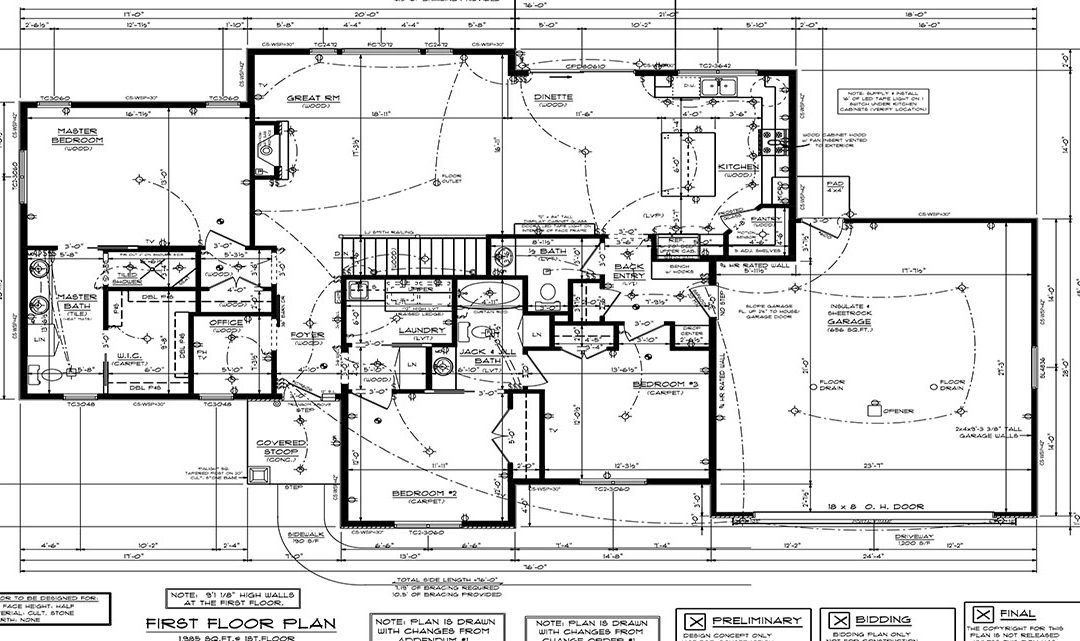
Construction takeoffs refer to the process of measuring and listing all materials and quantities required to build a project using construction drawings and specifications.
You extract quantities from plans before pricing begins. These quantities drive your budget, schedule, and bid value.
If your takeoffs are wrong, your estimate fails.
Introduction
Many contractors lose bids for two reasons. Pricing looks too high. Or pricing looks low and profit disappears later.
Both problems often start with poor construction takeoffs.
Material prices rise fast in the US market. Labor shortages add pressure. Clients expect faster bids with tighter margins. In 2025, guessing quantities no longer works.
Accurate construction takeoffs help you bid with confidence, protect profit, and win more work.
What Are Construction Takeoffs in Simple Terms?
Construction takeoffs mean counting and measuring everything needed to build a project.
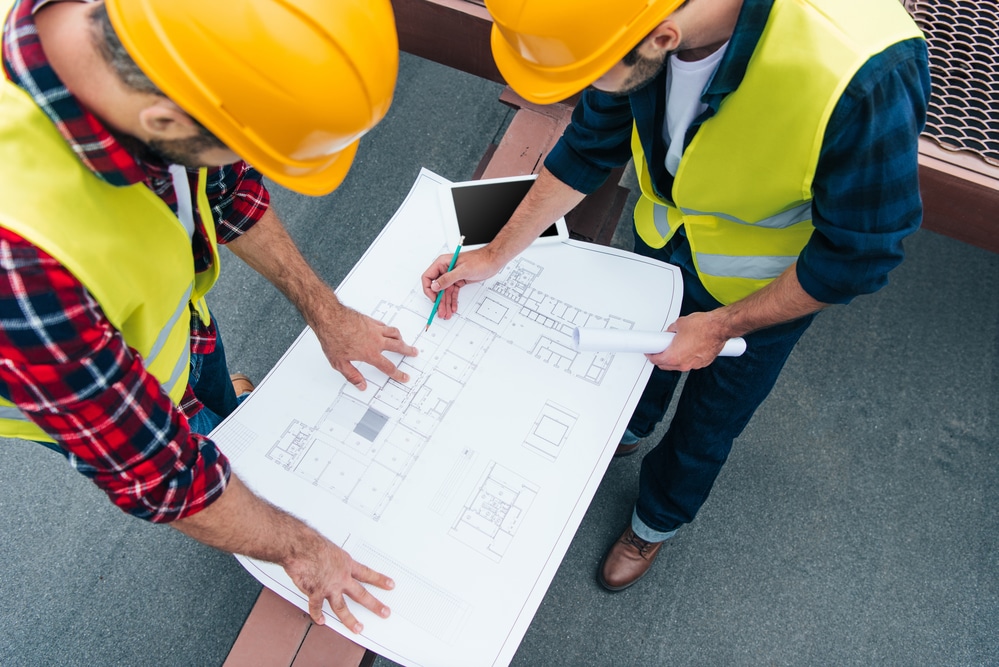
You review drawings and specifications. You calculate quantities for each trade.
These quantities later convert into costs.
Examples include:
- Concrete cubic yards for foundations and slabs
- Linear feet of rebar and formwork
- Square feet of drywall, insulation, and paint
- Number of doors, windows, and fixtures
- Tons of structural steel
- Roofing squares and underlayment
This process is also called quantity takeoff or material takeoffs.
Why Construction Takeoffs Matter for Contractors
Construction takeoffs control your entire estimating workflow.
Without accurate takeoffs, you face:
- Underpriced bids that kill profit
- Overpriced bids that lose projects
- Material shortages during construction
- Delays caused by reorders
- Disputes with owners and subcontractors
Accurate takeoffs help you:
- Submit competitive bids
- Order correct materials
- Control job costs
- Improve scheduling accuracy
- Win repeat clients
Construction Takeoffs vs Construction Estimating
Many contractors confuse these terms.
They serve different roles.
Construction Takeoffs
- Focus on quantities only
- Based on drawings and specifications
- No pricing involved
- Output includes measured quantities
Construction Estimating
- Uses takeoff quantities
- Adds labor, material, and equipment costs
- Includes overhead and profit
- Produces final bid price
Takeoffs come first. Estimating follows.
If takeoffs fail, estimating fails.
Types of Construction Takeoffs
Different projects require different takeoff methods.
Material Takeoffs
Material takeoffs list all physical materials needed.
Examples include:
- Lumber
- Concrete
- Steel
- Masonry units
- Roofing materials
- Finishes
These takeoffs help with purchasing and supplier quotes.
Labor Takeoffs
Labor takeoffs calculate work hours required per trade.
Examples include:
- Framing labor hours
- Electrical installation time
- Plumbing rough in and finish labor
- Drywall hanging and finishing
Labor takeoffs improve scheduling and workforce planning.
Trade Specific Takeoffs
Trade focused takeoffs help subcontractors bid accurately.
Examples include:
- MEP takeoffs
- HVAC duct and equipment takeoffs
- Fire protection takeoffs
- Sitework and earthwork takeoffs
How Construction Takeoffs Are Done
Modern construction takeoffs follow a structured process.
Review Drawings and Specifications
You analyze:
- Architectural plans
- Structural drawings
- MEP drawings
- General notes
- Code requirements
Missing details cause quantity errors.
Define Scope of Work
You clarify what is included.
This prevents scope gaps between trades.
Clear scope reduces change orders.
Measure Quantities
You measure using digital takeoff software or manual scaling.
Common tools include:
- Plan scale measurement
- Digital takeoff software
- Excel based quantity sheets
Each item is categorized by trade.
Organize Takeoff Data
Quantities are grouped by:
- CSI divisions
- Trade packages
- Project phases
Organized takeoffs improve estimating speed.
Quality Check
Double checking prevents costly mistakes.
This step catches:
- Missed items
- Overlaps between trades
- Measurement errors
Construction Takeoffs in 2025 and Beyond
The US construction market continues to shift.
Key trends affecting takeoffs include:
- Rising material costs
- Shorter bid deadlines
- Increased design build projects
- Tighter margins
- Higher owner expectations
Accurate takeoffs help contractors stay competitive.
Manual takeoffs struggle to keep pace with these demands.
Outsourced takeoff services grow fast because they offer speed and accuracy without payroll costs.
Who Needs Construction Takeoffs?
Construction takeoffs support many professionals.
These include:
- General contractors bidding lump sum projects
- Subcontractors pricing trade packages
- Home builders managing multiple projects
- Developers controlling project budgets
- Owners reviewing contractor pricing
Every successful project starts with solid takeoffs.
Common Mistakes in Construction Takeoffs
Many contractors repeat the same errors.
Avoid these issues:
- Skipping specification review
- Ignoring waste factors
- Overlapping scope between trades
- Relying on outdated pricing assumptions
- Rushing takeoff timelines
Professional takeoff services reduce these risks.
How The Virtual Estimation Solves This Problem
At The Virtual Estimation, construction takeoffs form the backbone of every estimate.
We support contractors across the USA with accurate and fast takeoff services.
Our team handles:
- Residential construction takeoffs
- Commercial construction takeoffs
- Industrial project takeoffs
- Trade specific material takeoffs
- Quantity takeoffs for bidding and budgeting
Why contractors trust The Virtual Estimation:
- Accuracy checked by senior estimators
- Fast turnaround for tight bid deadlines
- Cost savings compared to in house estimators
- Scalable support for multiple bids
- Clear and organized takeoff reports
You receive quantities you trust. You bid with confidence. You protect your margins.
Benefits of Outsourcing Construction Takeoffs
Outsourcing takeoffs offers real advantages.
These include:
- Lower overhead costs
- No estimator hiring or training
- Faster bid response times
- Consistent accuracy
- Support during peak bid seasons
The Virtual Estimation works as an extension of your team.
Conclusion
Construction takeoffs define project success long before construction begins.
Accurate quantities drive pricing, scheduling, and profitability.
In a competitive US construction market, guessing costs too much.
Professional construction takeoffs help contractors win bids, control costs, and grow with confidence.
The Virtual Estimation delivers the accuracy and speed contractors need to stay ahead.
About the Author
Our team of construction estimation experts brings years of industry experience to provide accurate, reliable, and insightful content for contractors, builders, and construction professionals.